Returning to Mosul: From the shadow of ISIS to a story of hope
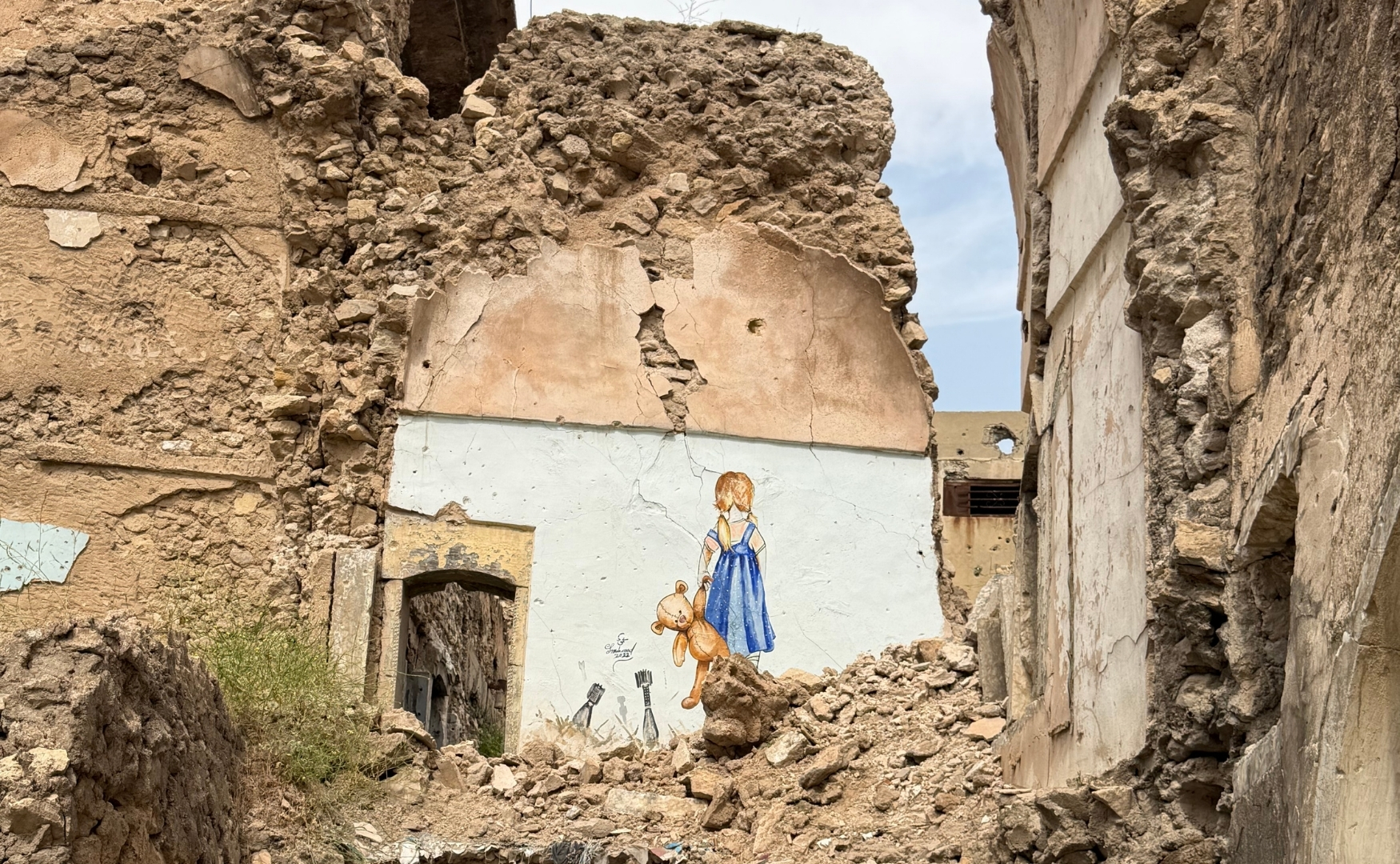
There are few places in the world where a single building tells the story of a nation’s darkest chapter and its determination to recover.
For Mosul, that place is the Al-Nouri Mosque.
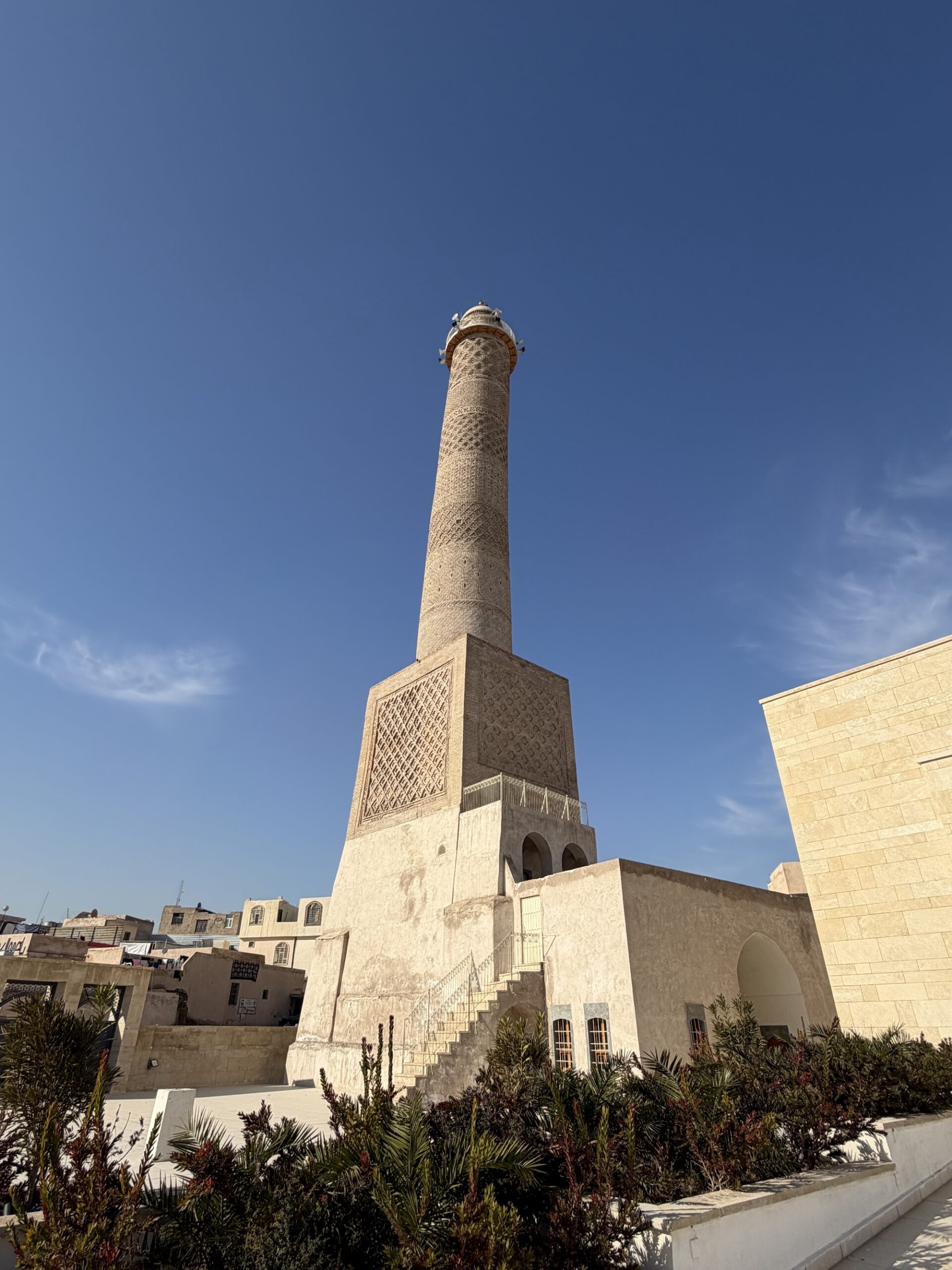
Today, the Al-Nouri Mosque stands tall once again in Mosul, Iraq (Photo by Wisam Khaleefah/Spirit of America).
For more than 850 years, the mosque stood at the heart of one of Iraq’s oldest and most diverse cities. Its iconic leaning minaret became a symbol recognized across the Middle East, in a city reflecting centuries of coexistence among Muslims, Christians, Yezidis, Kurds, Arabs, Assyrians, and Turkmen who called Mosul home.
Then, in July 2014, the mosque became known for something entirely different.
It was here that the so-called Islamic State leader Abu Bakr al-Baghdadi declared a caliphate, transforming one of Iraq’s greatest cultural treasures into a global symbol of violent extremism. For nearly three years, Mosul became synonymous with terror. Families lived under brutal oppression. Religious minorities were persecuted. Historic churches, mosques, and cultural sites were destroyed. Entire neighborhoods were emptied, and a city that had stood for centuries was consumed by fear.
With the support of the United States and coalition partners, Iraqi Security Forces fought to liberate their city, finally driving ISIS from Mosul in December 2017. The victory came at an enormous cost. Nearly 10,000 civilians were killed, hundreds of thousands were displaced, and more than 70 percent of the city’s infrastructure was destroyed. 5,500 homes were damaged or flattened, bridges collapsed, and historic landmarks — including the Al-Nouri Mosque itself — were reduced to rubble. More than 8 million tons of debris covered the city.
Less than a year after liberation, I visited Mosul for the first time while supporting U.S. government recovery efforts. Nothing prepared me for what I saw.
Entire neighborhoods had disappeared. Streets were lined with collapsed buildings. Families searched through the remains of their homes while children played beside mountains of rubble. The silence that settled over parts of the Old City was as striking as the destruction itself. I left Mosul heartbroken but convinced that rebuilding the city would require more than clearing rubble. It would require restoring hope.
In the years since, my work on Mosul’s recovery has carried me back again and again, each trip adding a new chapter to the city’s story. This May, I returned once more, this time with Spirit of America, and found a city transformed.
Markets were once again filled with shoppers. Families had returned home. Bridges connected neighborhoods that had been divided by war. Schools had reopened. Businesses were thriving. Most remarkably, the Al-Nouri Mosque had been painstakingly restored. Standing once again beneath its minaret, it was impossible not to reflect on what the mosque now represents — not the rise of ISIS, but the resilience of the Iraqi people and the determination of communities to reclaim their history from extremism.
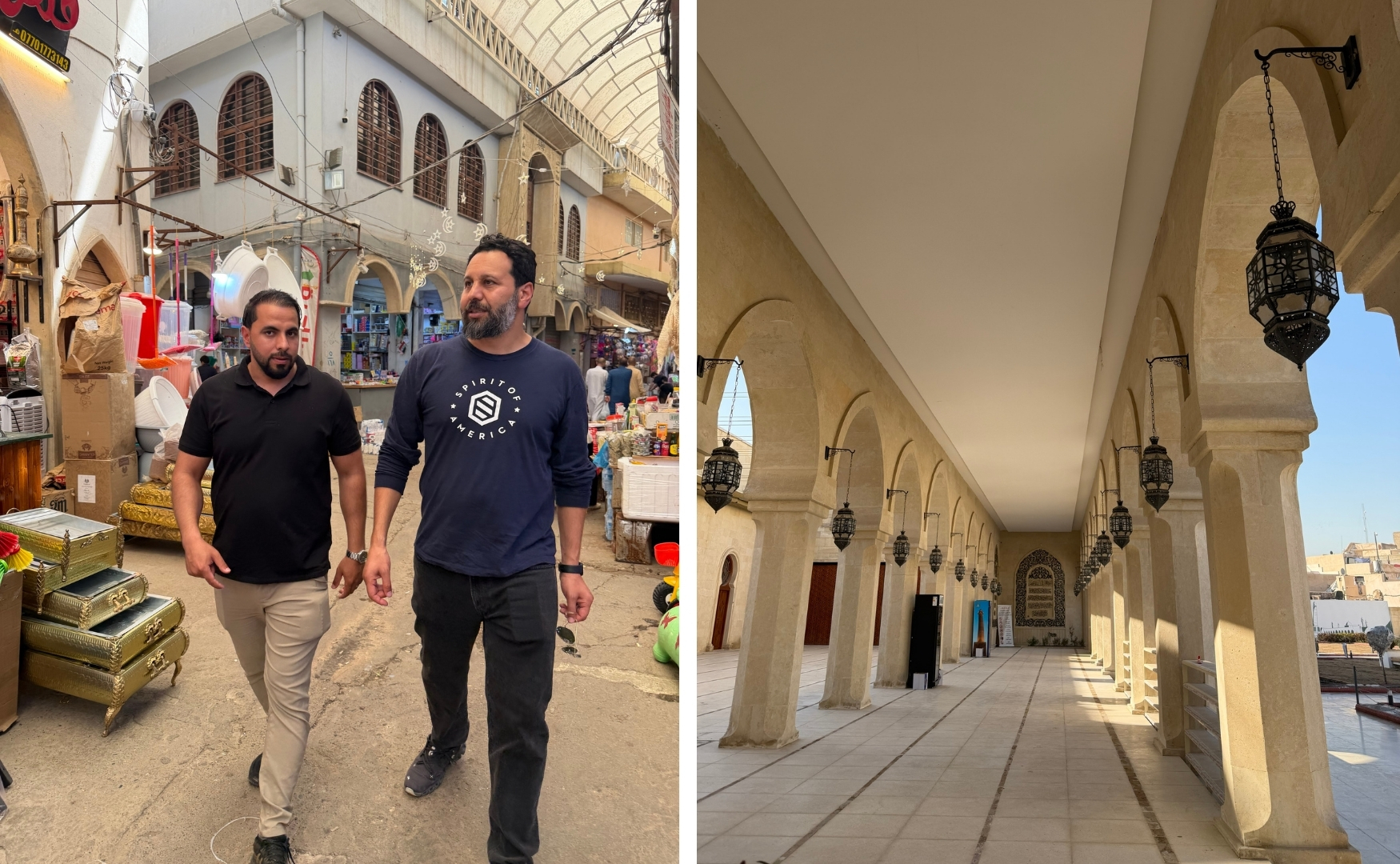
Photos from Mosul markets and a restored portion of Al-Nouri Mosque (Photos by Wisam Khaleefah/Spirit of America).
Yet recovery is not complete.
Beyond the restored landmarks and busy streets, many neighborhoods continue to bear the scars of war. In parts of Mosul’s Old City, homes that stood for generations remain in ruins. Churches and historic buildings still await restoration. Warning signs marking unexploded ordnance remain visible among collapsed buildings, reminding residents that recovery is measured not only in years, but in generations.
One of those communities is Uboor, where the effects of ISIS are still felt every day.
Schools remain damaged, roads are in poor condition, and basic public services are limited. At the center of the neighborhood sits Laila Al-Mubaraka Elementary School, serving more than 1,500 students.
The school should represent opportunity.
Instead, it highlighted the lingering consequences of conflict.
Most students learned inside aging prefabricated container classrooms that had been damaged by fire and years of neglect. Floors were collapsing. Electrical wiring was exposed. Windows were shattered.
During winter, rain leaked into classrooms. During summer, the heat became nearly unbearable.
There simply was not enough safe classroom space.
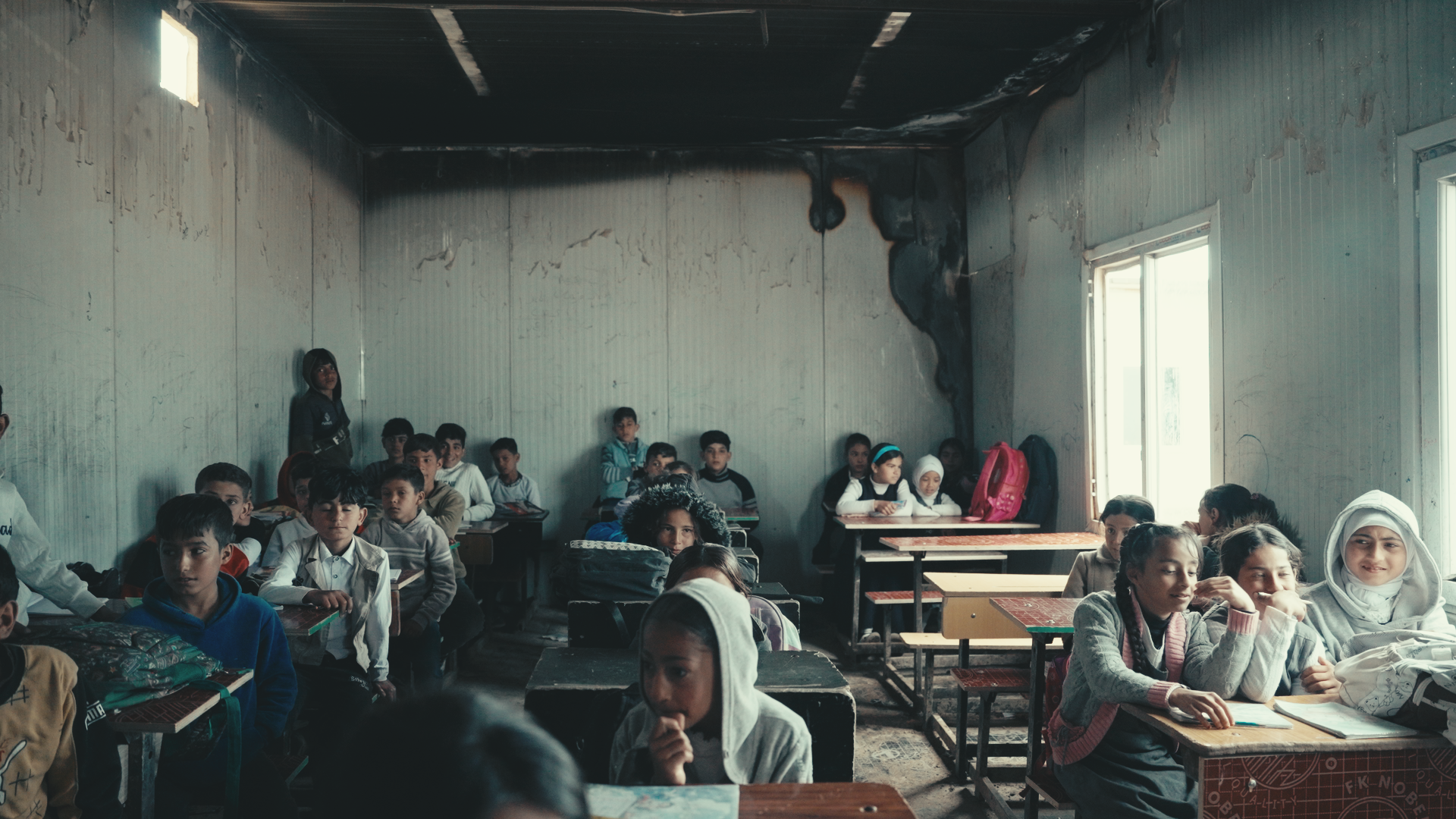
Students learn in an overcrowded and fire-damaged classroom at Laila Al-Mubaraka Elementary School (Photo by PASSAR Agency for Spirit of America).
Nearly 200 students were forced to attend school only part-time, while more than 50 first-grade children could not enroll at all because there were no available classrooms.
Despite these challenges, the community never stopped investing in its future.
Parents, teachers, volunteers, and school administrators worked together to improve what they were able to. They partnered with a USAID-supported program that began restoring several classrooms while improving local services. But when the program ended, critical work remained unfinished.
The community had determination. They simply needed a partner who could move quickly and help finish what had been started.
That’s where Spirit of America stepped in.
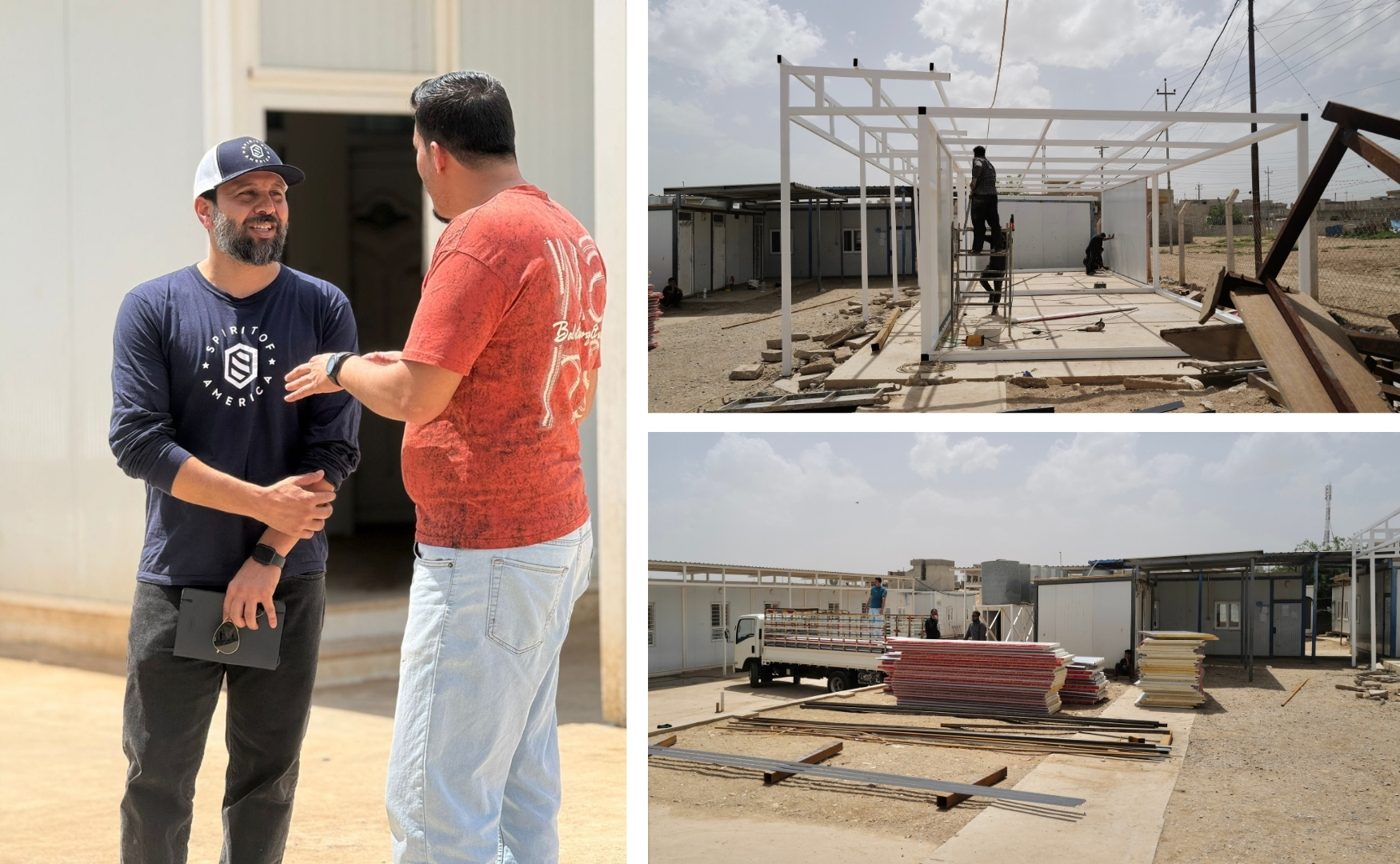
Construction ongoing with local volunteers at Laila Al-Mubaraka Elementary School (Photos by PASSAR Agency for Spirit of America).
The project includes constructing two brand new classrooms, replacing two fire-damaged classrooms, rehabilitating four additional classrooms, repairing the electrical system, and providing desks and essential educational materials. Every element of the project is being delivered through local vendors and with the active participation of the community itself.
This is what Spirit of America does best: identifying capable local partners, responding quickly to urgent needs, and providing practical support that enables communities to rebuild stronger than before.
The impact reaches far beyond new classrooms.
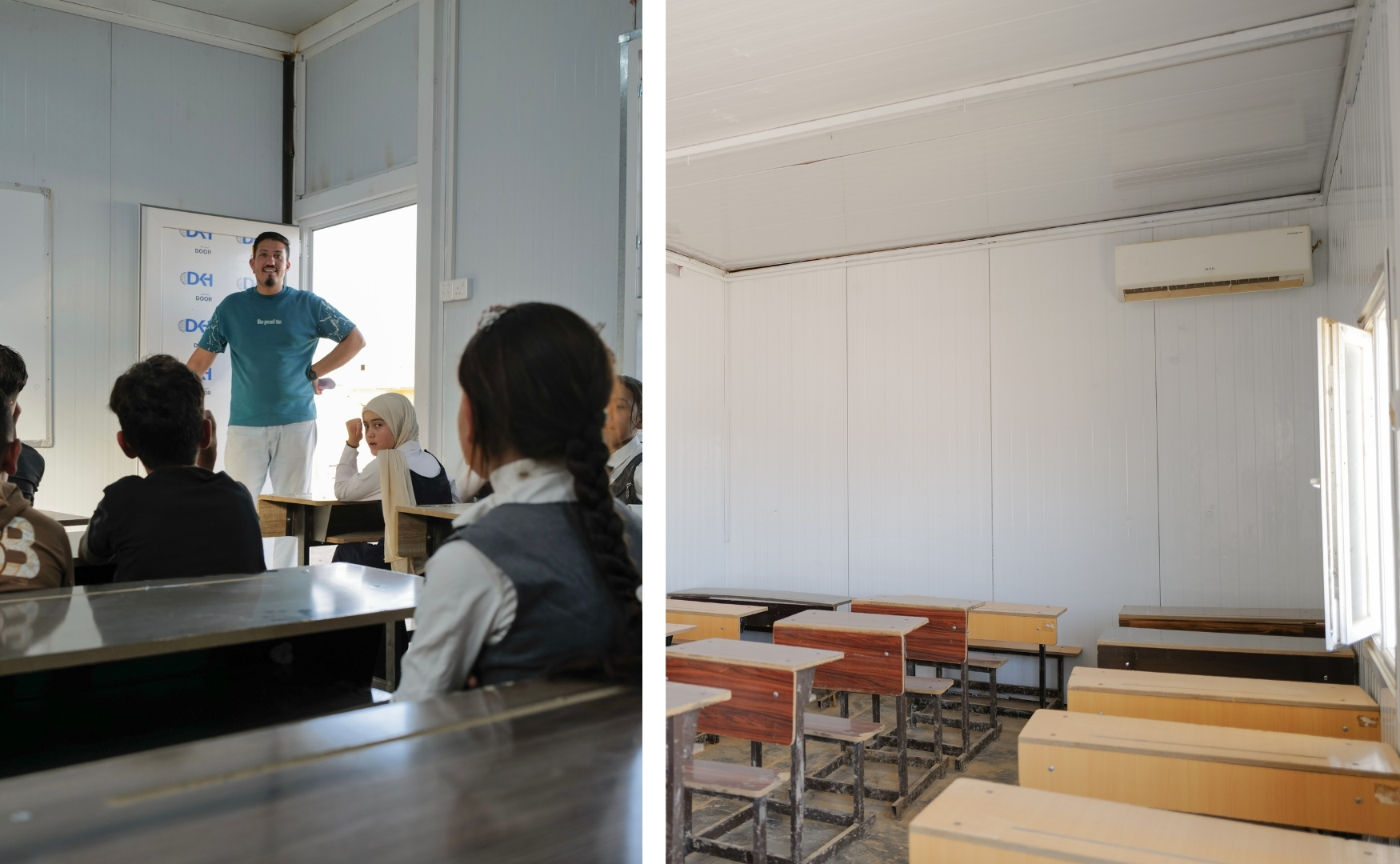
Newly completed classrooms with AC, new desks, and safer infrastructure at Laila Al-Mubaraka School (Photos by PASSAR Agency for Spirit of America).
Hundreds of additional children will now have access to full-time education. Families will see tangible progress in their neighborhood. Teachers will have safe spaces to educate the next generation. Most importantly, children who have grown up surrounded by the legacy of war will gain something equally important as an education — a renewed sense of normalcy.
And in a city like Mosul, normalcy is powerful.
As I stood in the restored Al-Nouri Mosque, I thought about the children of Uboor. Many of them are too young to remember Mosul before ISIS. Some have known only displacement, damaged homes, and schools still waiting to be repaired.
But they are also growing up in a city that is fighting to reclaim its future.
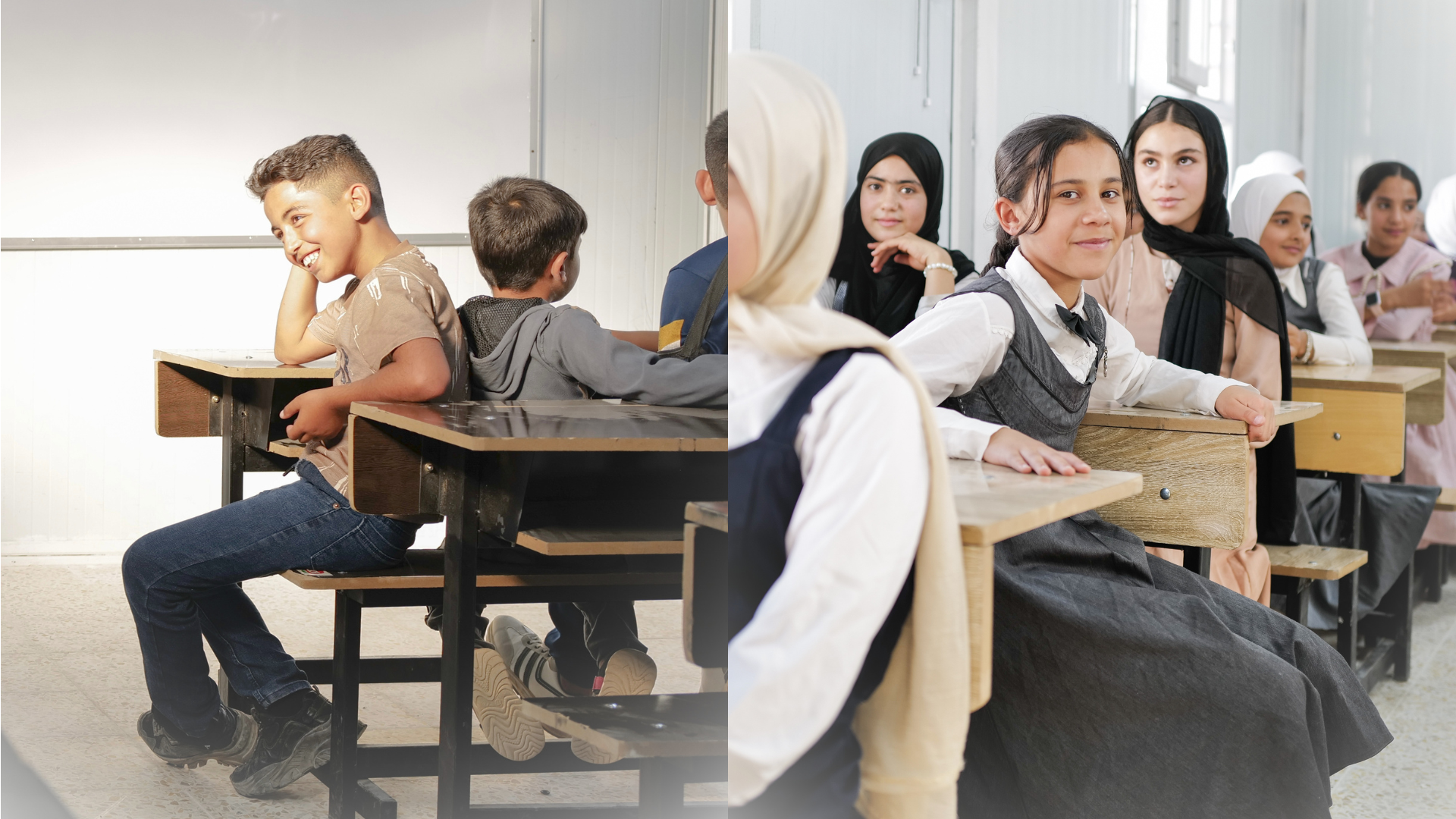
Students gather in their new classrooms at Laila Al-Mubaraka School (Photos by PASSAR Agency for Spirit of America).
Mosul’s recovery will not be defined by monuments alone, as important as they are. It will be defined by what happens in neighborhoods like Uboor, in schools like Laila Al-Mubaraka, and in the lives of children who deserve the chance to learn safely and dream freely.
ISIS tried to make Mosul a symbol of fear. Today, the people of Mosul are making it a symbol of resilience.
Spirit of America is proud to stand with them.

Wisam Khaleefah joined Spirit of America in 2025 as regional program manager for the Middle East & Central Asia, bringing over a decade of experience in conflict prevention, governance, and crisis response across fragile and post-conflict environments.