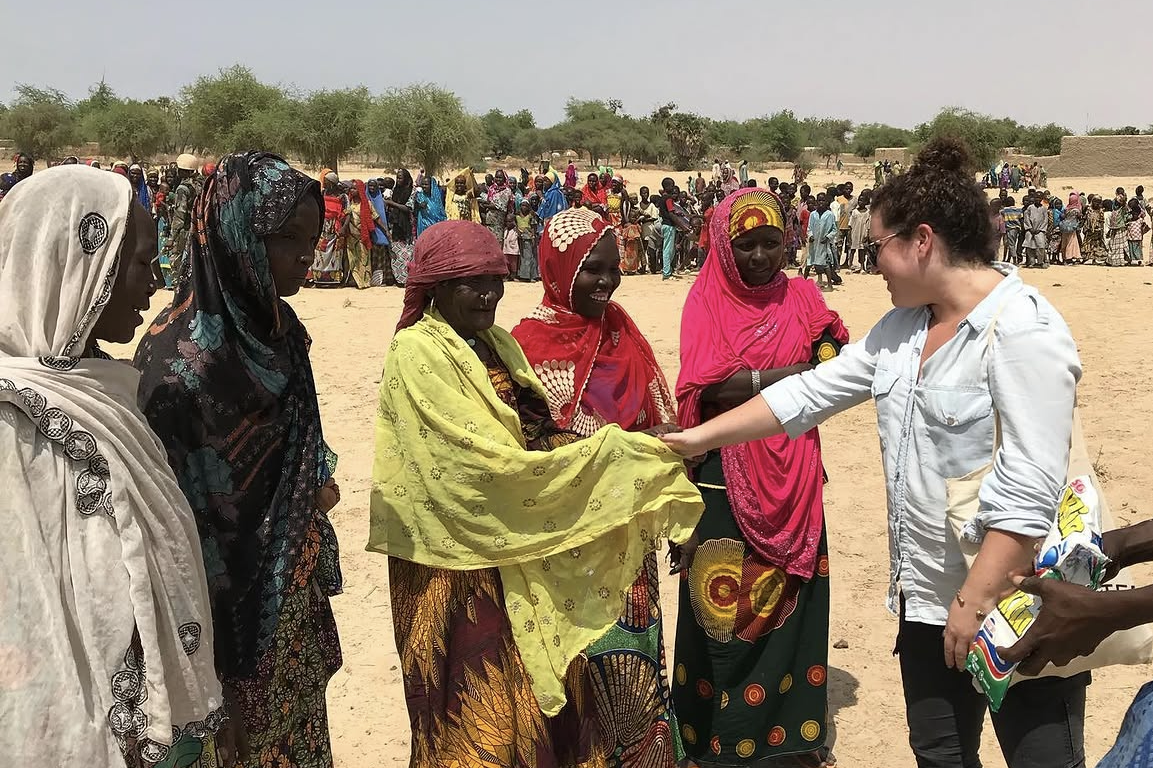

Aneliese Bernard is the Founder and Director of Strategic Stabilization Advisors (SSA), a Washington, D.C.–based consulting firm with operations across West Africa. She brings over a decade of experience in counterterrorism, stabilization, and security sector reform, including her tenure as the U.S. State Department’s Stabilization Advisor in Niger. Aneliese has conducted extensive fieldwork on the spread of violent extremism into Coastal West Africa and regularly advises policymakers and media on regional security dynamics.
As jihadist terrorism in the Middle East and elsewhere in the world has gradually declined since September 11, 2001, West Africa and the Sahel region are now facing the fastest-growing, deadliest insurgency in the world from the al-Qaeda-aligned Jama’at Nusrat al-Islam wal-Muslimin (JNIM) and Islamic State affiliates.
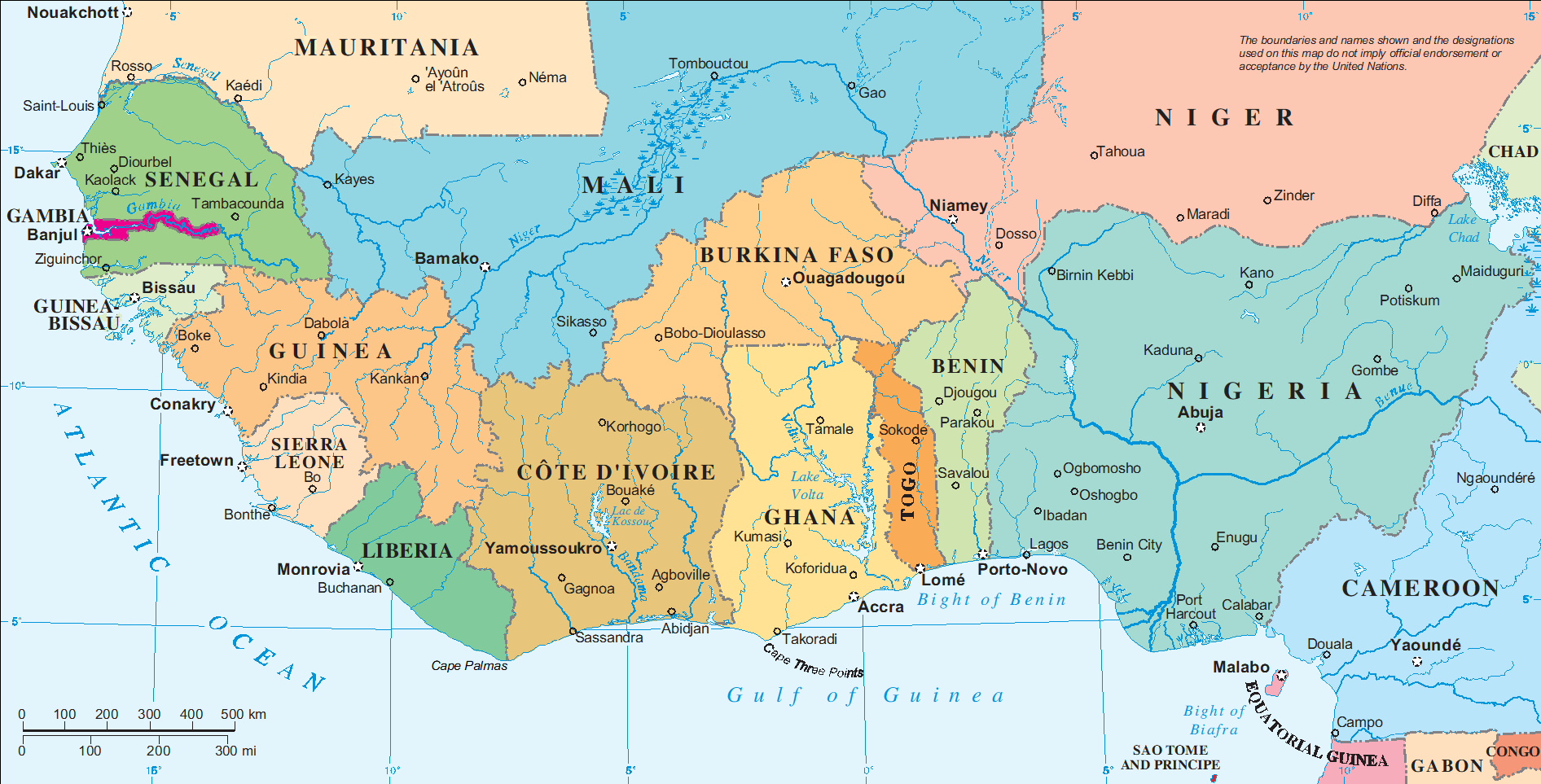
West Africa (Map by the United Nations).
I have spent most of my career working on counterterrorism in West Africa, and I’ve watched this threat evolve in real time. What began as fragmented militant movements — often dismissed as local banditry or separatist unrest — has transformed over the past 15 years into a sophisticated, adaptive insurgency that analysts still struggle to fully explain. This lack of understanding makes the threat even more challenging to respond to.
But there are lessons we can apply to the Sahel from the past 25 years of the global war on terror. Kinetic operations alone rarely defeat insurgencies. Airstrikes and ground offensives can disrupt armed groups temporarily, but military efforts alone often become a game of whack-a-mole, pushing fighters from one area to another without removing the conditions that allow them to survive.
Average civilians are central to any effective counterinsurgency strategy. They are the primary source of insurgent intelligence, they live in communities that insurgents move through and recruit from, and they are the population that governments must protect if they want to regain legitimacy and reclaim territory. But involving civilians in security efforts is delicate work that requires trust, transparency, and credibility that cannot be built through force alone.
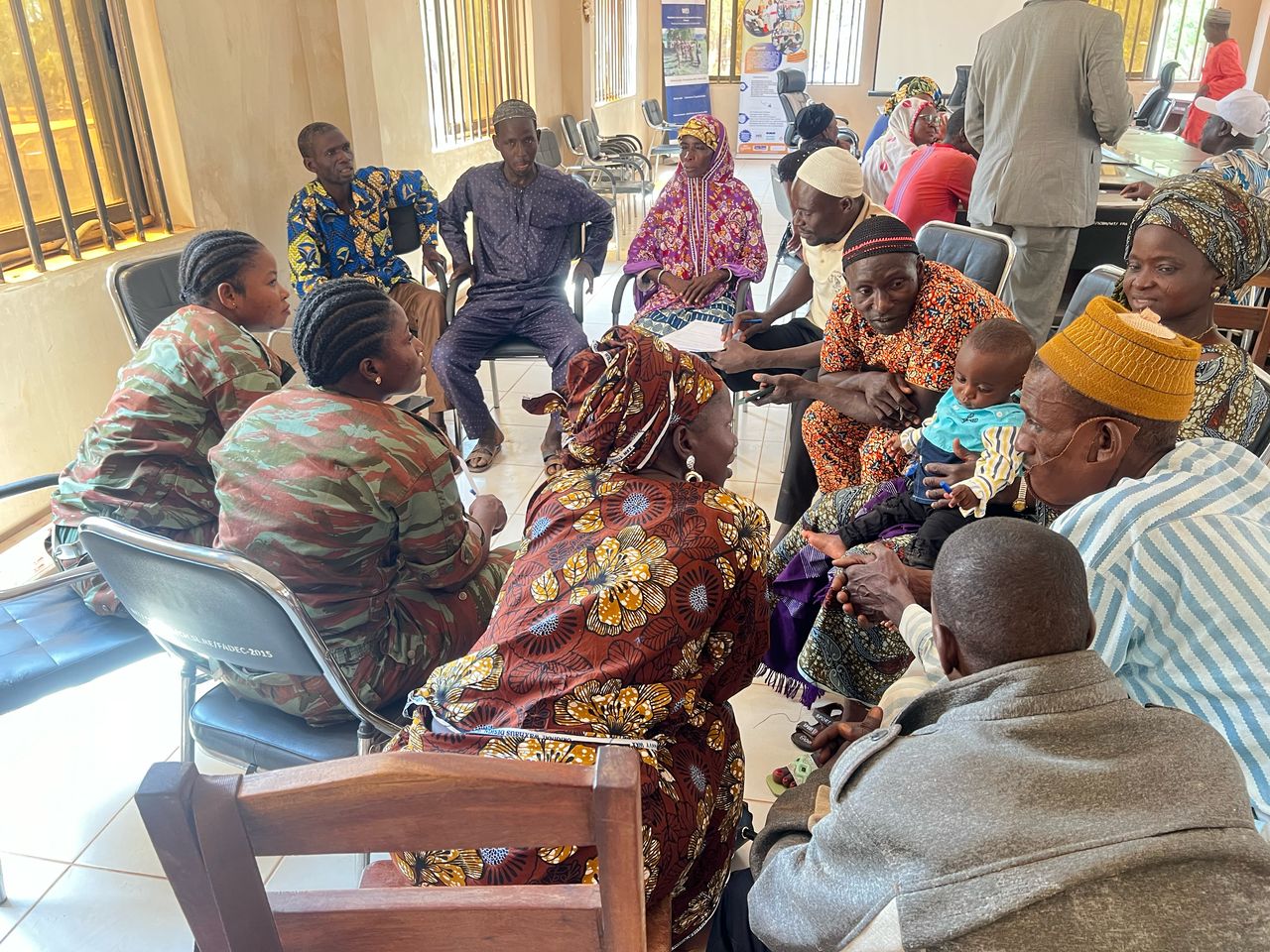
Civilian and military members of a Civil Military Committee in Tanguieta, Atakora department discuss simulations of security threats and how to respond to them through proper channels (Photo by Strategic Stabilization Advisors).
Counterterrorism lessons from the Lake Chad Basin
I saw this firsthand during the U.S. government’s counter-Boko Haram campaign, when I worked for the U.S. Department of State. I was deployed to Niger to create a demobilization, disarmament, and reintegration (DDR) framework to respond to the Lake Chad Region’s metastasizing insurgency from the jihadist group then known as Boko Haram (now known as Jama’at Ahl al-Sunna li al-Da’wa wa al-Jihad or JAS).
At the time, military operations alone were failing to shrink the insurgency. The only sustainable path forward was to augment military efforts with a DDR effort, and to encourage combatants to leave the battlefield. The process relied heavily on training civilians to cooperate with military and local militias to pass information into the battlefield to encourage defections from Boko Haram actors and then facilitate their path towards amnesty and reintegration.
In 2018, U.S. Special Operations Command Africa introduced me to Spirit of America, who became a critical partner in supporting a strategic effort that the U.S. government could not fund due to restrictions surrounding civilian activities tied to military operations.
Spirit of America supported initiatives ranging from leaflet campaigns encouraging defections from Boko Haram to discreet meetings between military officials and civilians facilitating ex-combatant transfers. The organization also supported some community reintegration and social cohesion projects at a time when other donors were reluctant to support programs involving former terrorists.
Spirit of America’s support was the critical missing link between military strategy to civilian-centered counterinsurgency efforts. When the U.S. government later expanded the defections framework into the Sahel, I made sure that Spirit of America remained a key partner because of its ability to provide fast, flexible, and sustained support.
Rebuilding civil-military trust in West Africa
I left the U.S. government in 2019 to conduct field research across the Sahel (Niger, Burkina Faso, and Mali) and Coastal West Africa (Côte d’Ivoire, Ghana, Togo, and Benin). My goal was to better understand the drivers behind JNIM’s and the Islamic State Sahel’s expansion and develop a more functional counterinsurgency model tailored to West Africa.
The need became even more urgent in 2020, when jihadists broke across the Sahel into Coastal West Africa, carrying out complex attacks no one was prepared for in Benin and Côte d’Ivoire.
My research found evidence that broken trust between civilians and security forces was allowing jihadists to recruit widely and expand quickly. In northern Benin, civilians often had little to no relationship with the military, while soldiers did not view local communities as credible security partners. That disconnect allowed jihadists to hide among civilians, recruit more easily, and exploit the absence of reliable intelligence networks. It also increased the risk that violent military led counterterrorism operations could alienate civilians and further erode morale, turning civilians against the state. For example, JNIM often recruited combatants from civilian populations that have experienced loss during government-led counterterrorism operations. And often, the lack of ground-truth that militaries have about the communities they are policing is a result of the absent civil-military relations and therefore, weak intelligence the militaries have about their operating environments.
When Spirit of America approached me about helping the U.S. and its partners stop the spread of extremism into Coastal West Africa, my advice was grounded in those lessons: effective counterinsurgency depends on improving civil-military cooperation.
Working alongside Spirit of America and U.S. Special Operations Command Africa, my team at Strategic Stabilization Advisors developed a novel strategy for the Beninese Armed Forces. We helped develop a modified counterinsurgency model for Benin centered on collaborative security partnerships between civilians and the military.
Together, we established civil-military committees within Benin’s counterterrorism mission, Operation Mirador, to bring civilians back into the country’s security architecture. The civilian role was not merely to serve as informants, but to serve as trusted partners in the co-creation of security plans, military operations, and post-operation stabilization efforts to rebuild their communities and restore services.
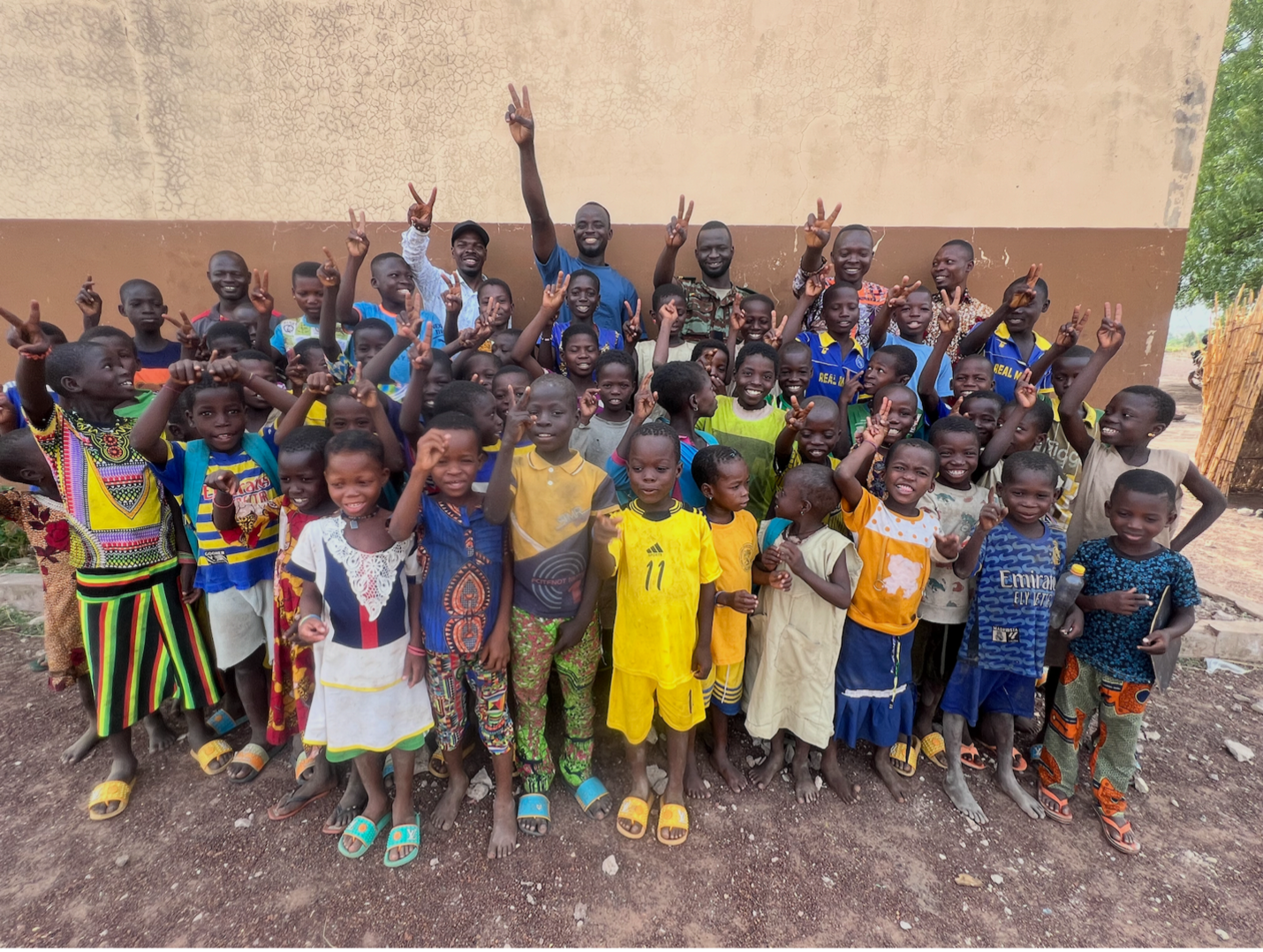
Schoolchildren pose with members of the Beninese Army’s Civil Affairs team after Benin’s army corps of engineers completed the construction of a schoolhouse roof in Kerou, Atakora department, allowing children to return to their school for the first time in over a year (Photo by Strategic Stabilization Advisors).
A different model for counterinsurgency
There’s a reason Spirit of America was best positioned to take on this complex project. Counterinsurgency work is inherently risky, and since the wars in Afghanistan and Iraq, most partners have been reluctant to engage in it. Effective programs also require sustained coordination between civilian and military actors — something governments often struggle to achieve.
In Benin, however, Spirit of America and Strategic Stabilization Advisors built a holistic counterterrorism model tailored to the country’s conflict environment and rooted in civil-military cooperation.
After one year, the committees have created structured channels for dialogue, early warning, and cooperation between communities and the military. That cooperation has allowed the Beninese government to respond faster, operate more precisely, and rebuild legitimacy in areas where jihadist groups were trying to take hold. Civilians have also rebuilt relationships with the government and security providers that had been broken or absent for decades. More significantly, the government has reclaimed territory lost to jihadists in early 2025 and fully dismantled one of JNIM’s most active local cells.
The war is not over as jihadists continue to evolve their tactics in response to Benin’s military resurgence. But these civil military committees are proof that civil-military coordination in counterinsurgency efforts can play a decisive role in slowing extremist expansion in West Africa.