Strengthening partnerships at RC26: Spirit of America in action
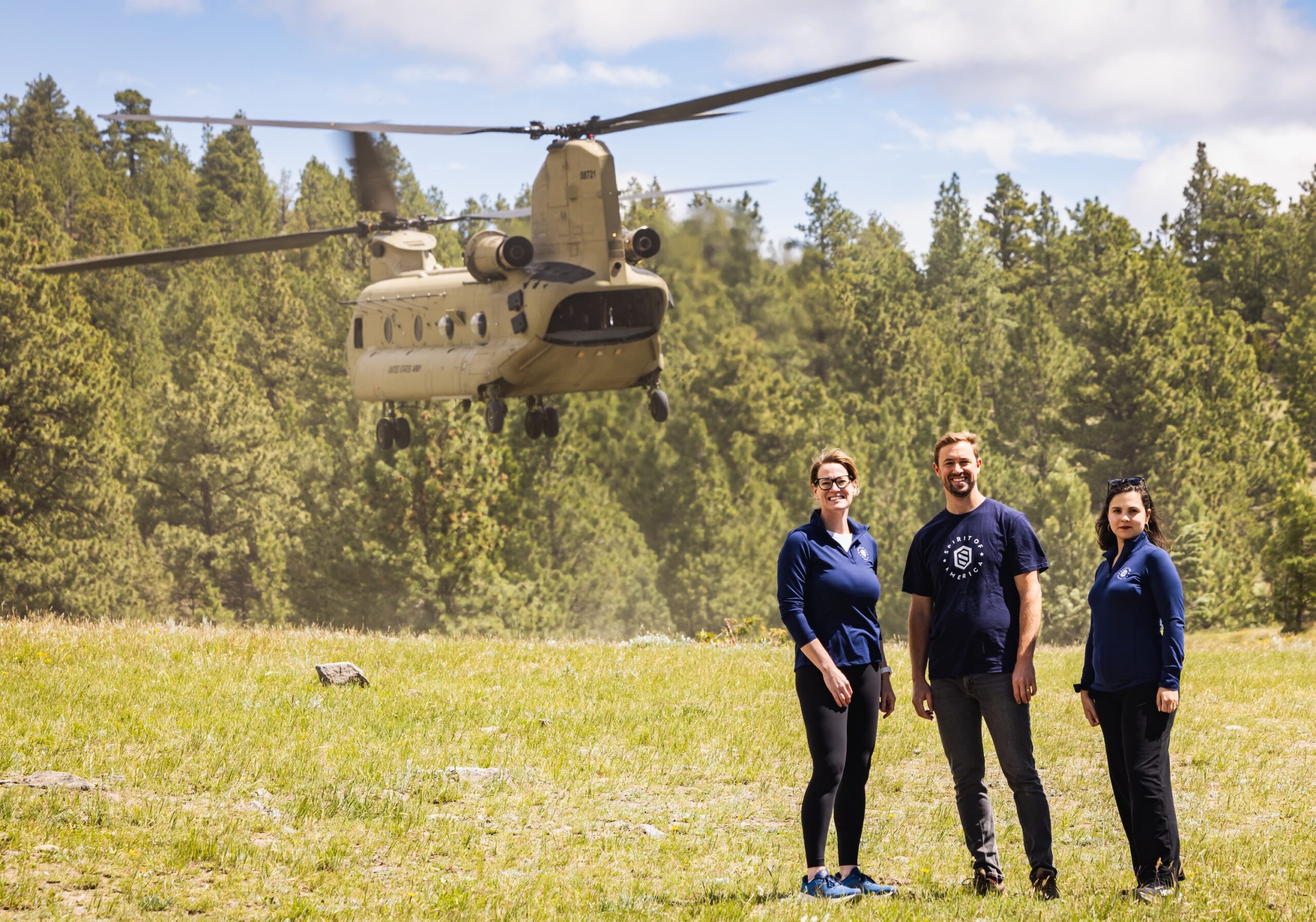
The CH-47 Chinook helicopter is a strange, almost mystical creature. At rest, she resembles the unlikely offspring of a frog and a small building — quiet and immovable yet seemingly poised for an urgent departure. But when her twin rotors come alive, the beast becomes something else entirely. For a casualty awaiting evacuation, or the medic working to keep them alive, few sounds are more reassuring than the Chinook’s blades cutting through the air.
This June, Spirit of America’s Middle East and Central Asia team joined U.S. Central Command (CENTCOM) — the U.S. military command responsible for operations across the Middle East and Central and South Asia — the Montana National Guard, and forces from eight Central and South Asian partner nations in Fort Harrison, Montana, for Regional Cooperation 2026 (RC26), a multinational exercise focused on preparing for complex security and humanitarian crises.
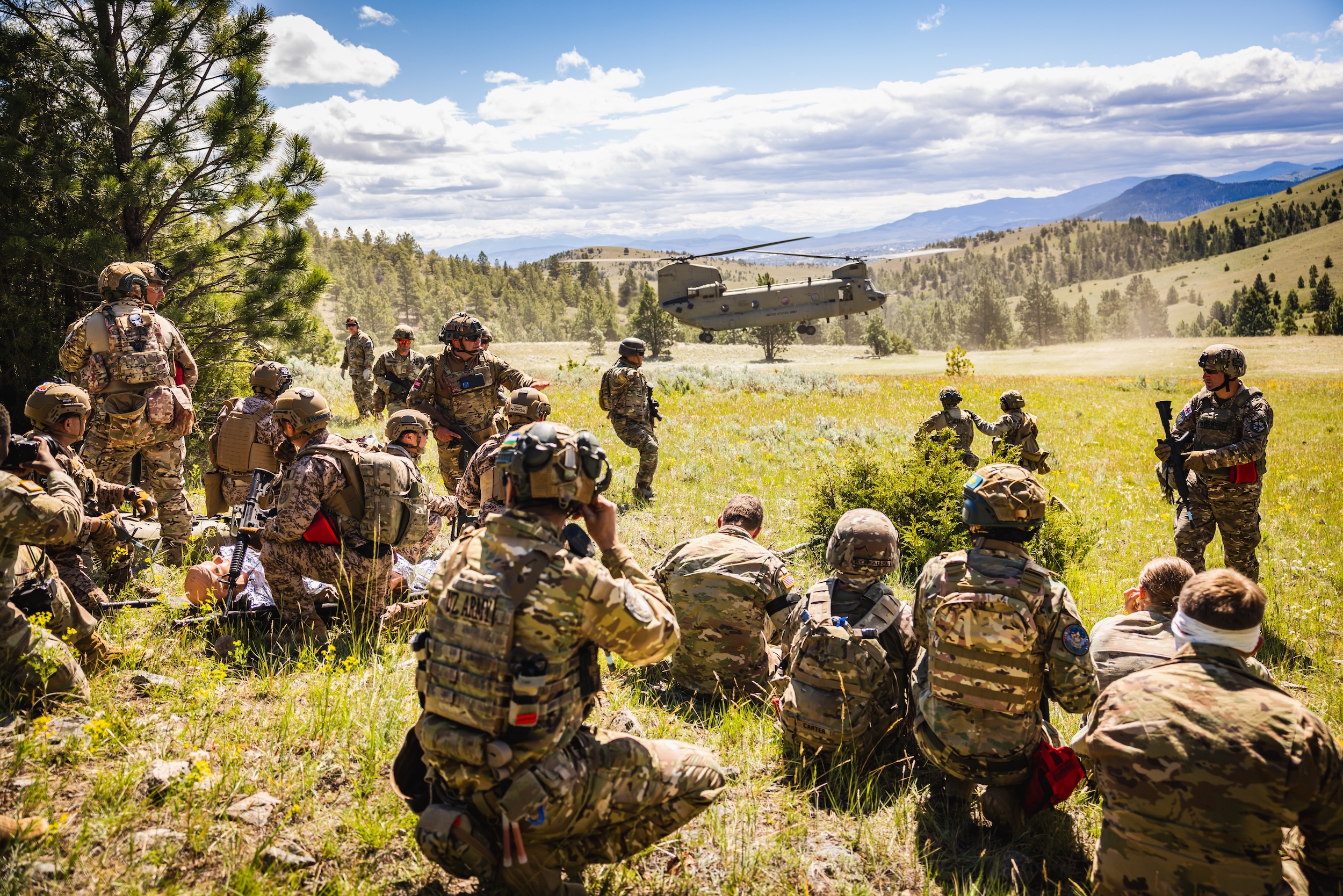
A Chinook lands during RC26 Training in Fort Harrison, Montana (Photo by Noah Couser for Spirit of America).
Launched shortly after the dissolution of the Soviet Union, RC26 marked its 30th year in 2026, bringing together more than 300 participants from the United States and partner nations across Central and South Asia. Training through scenarios ranging from humanitarian response to stabilization operations, the exercise helps forces build the relationships, trust, and coordination needed to respond effectively during real-world crises. Three decades of sustained participation underscores the enduring value of these partnerships and the importance of being able to operate together when the stakes are highest.
In early 2026, RC26 planners identified a critical gap: they lacked critical equipment needed to make key portions of the exercise realistic. Without these supplies, participants would have been simulating — rather than actually performing — essential elements of casualty care.
To address this gap, Spirit of America procured and delivered $18,000 worth of locally sourced, American-made medical supplies and field training equipment. This relatively modest investment, enhanced a far larger multinational exercise, improving training conditions for hundreds of participants. Over the course of a month, these supplies were used in live scenarios, allowing participants to operate in more realistic conditions and build skills that can help save lives in real-world emergencies.
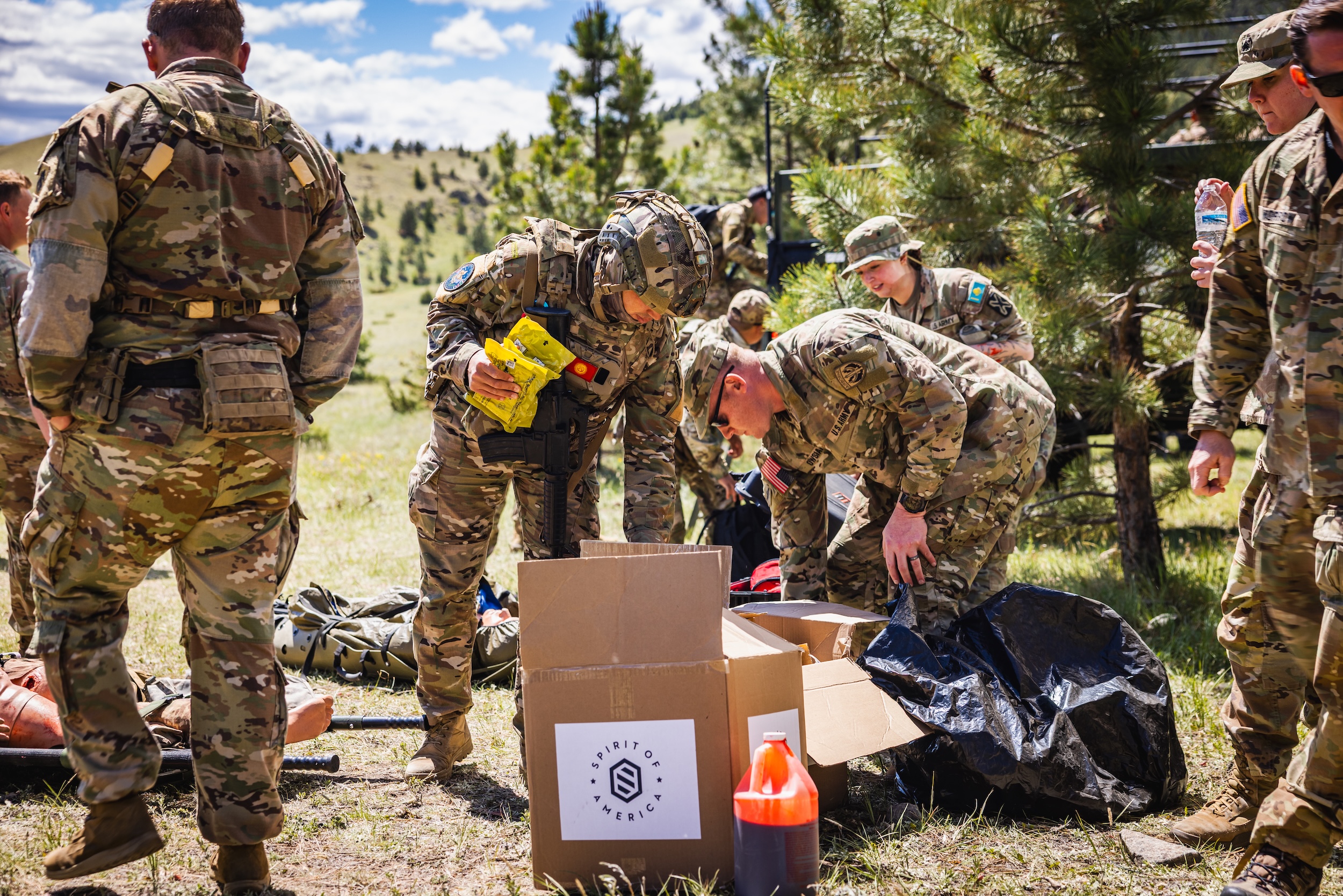
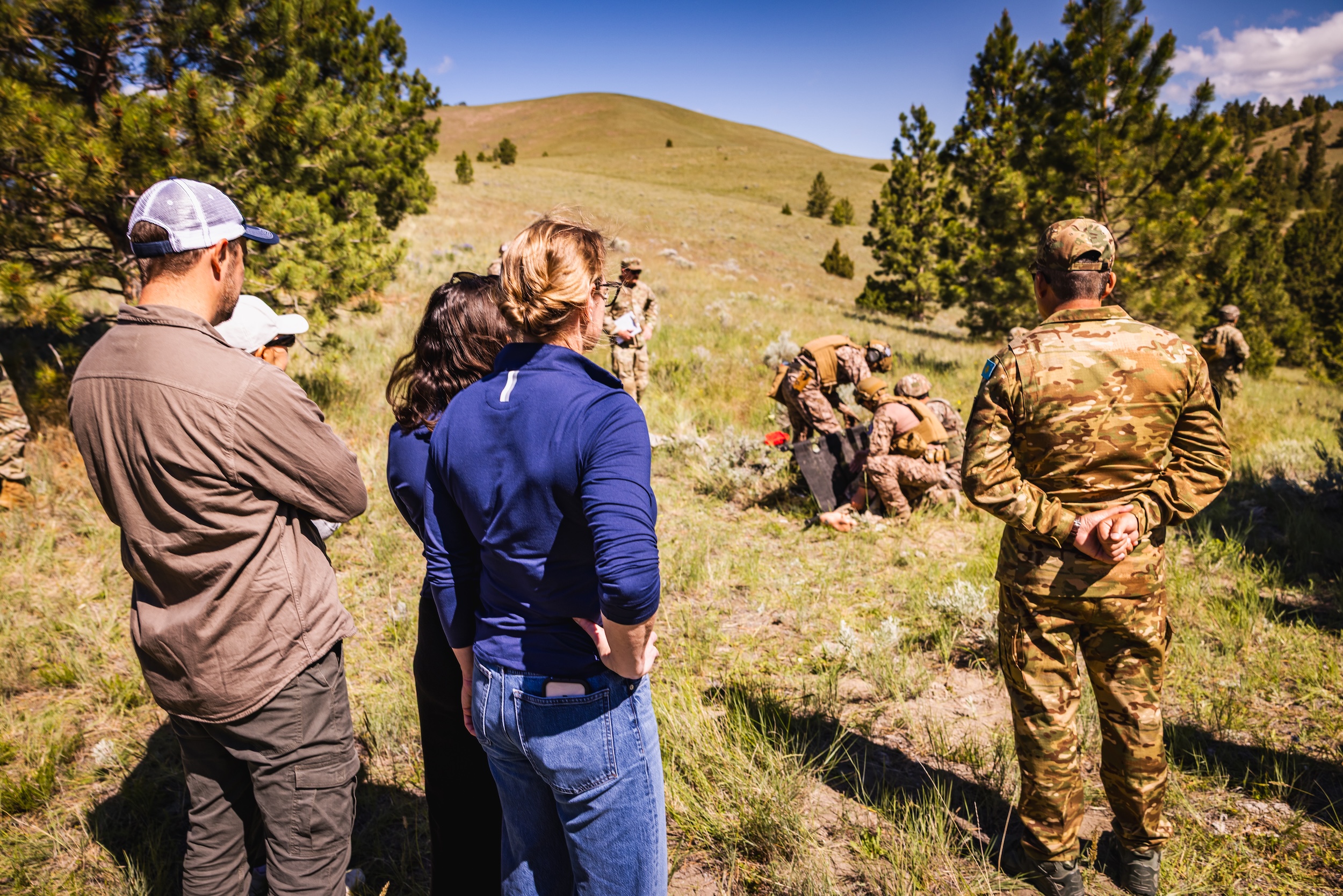
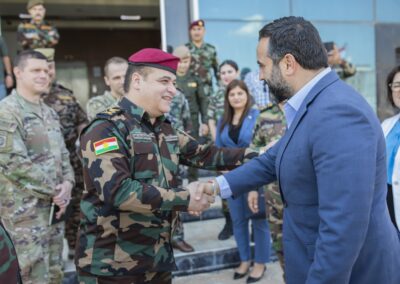
Spirit of America’s Middle East & Central Asia team delivers support to Regional Cooperation ‘26 (Photos by Noah Couser for Spirit of America).
Middle East & Central Asia Regional Director Mary Bell-Ruiz, Assistant Program Manager Haddie Beckham, and I joined the final demonstration day. Over the course of two hours, a Chinook inserted a multinational team onto a hillside where mannequins and live actors simulated a remote mass casualty event. The team secured the area, triaged casualties, and evacuated the first group to a waiting aircraft.
But the most important outcomes of the exercise were not material. They were the relationships that were built.
RC26 created space to build trust between forces that do not regularly train together. U.S. Civil Affairs teams worked side by side with partner units from Central and South Asian nations, testing how they communicate, plan, and coordinate under pressure. In real-world crises, effective response depends not only on doctrine but the trust and familiarity between partners that is built well before a crisis begins. Exercises like RC26 help establish that foundation.
Spirit of America’s presence also opened new pathways for future collaboration. Civil Affairs teams, National Guard units, special operations personnel, and partner-nation forces approached us to exchange contact information and discuss follow-on opportunities. Organizers invited us to return next year: an outcome that reflects both the value of our support and the relationships built on the ground.
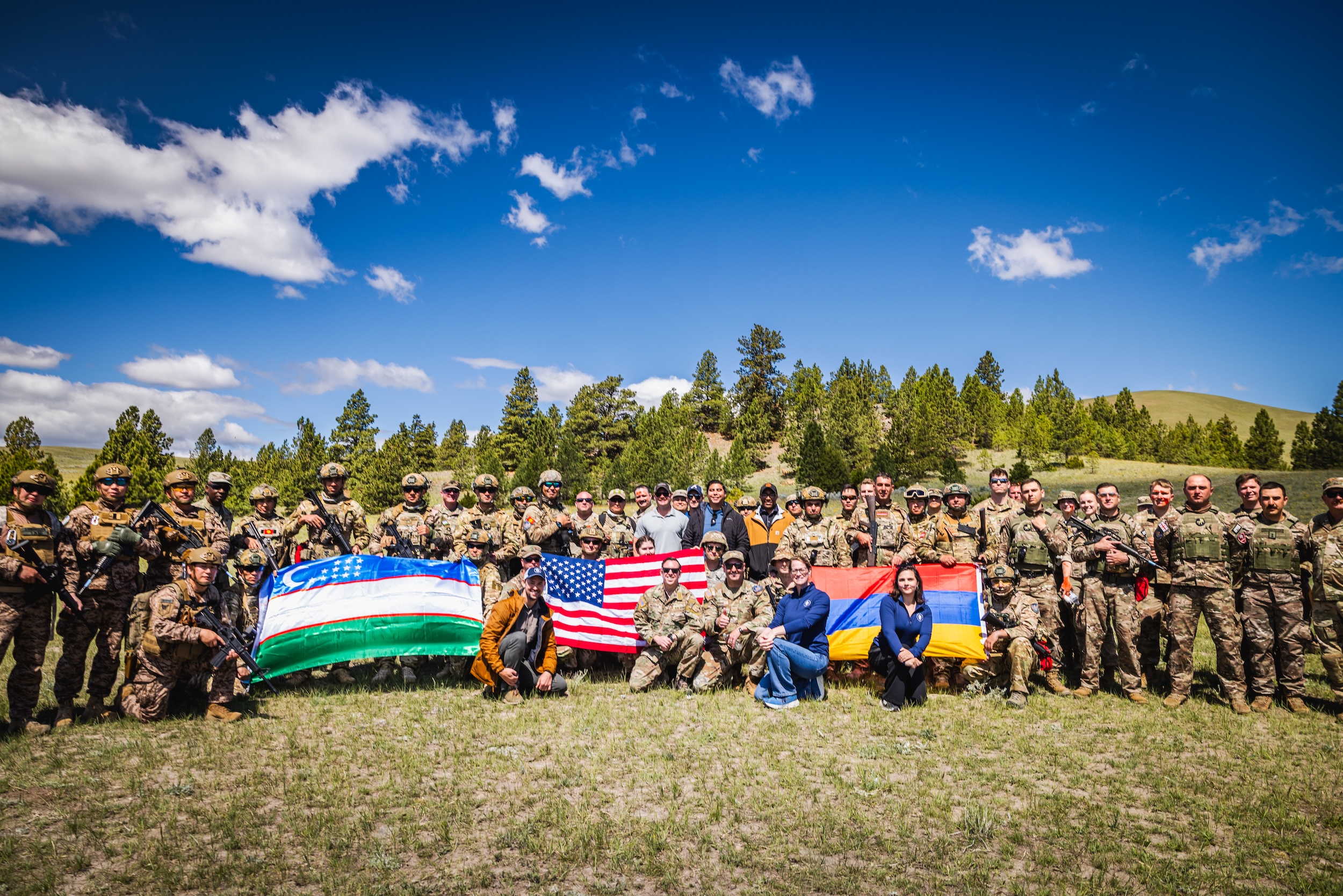
Participants at Regional Cooperation ‘26 with the Spirit of America team (Photo by Noah Couser for Spirit of America).
This engagement reflects how Spirit of America operates more broadly: identifying practical gaps, moving quickly, and working alongside our partners to make their missions more effective when it matters most.
When the Chinook’s blades begin cutting through the air — signaling that help is on its way — those investments in equipment, training, and trusted relationships can help ensure teams are ready to respond when every minute matters.

Alex Ebsary joined Spirit of America as a Regional Program Manager for the Middle East and Central Asia. He brings more than a decade of experience working at the intersection of international relations, development, and humanitarian assistance.